
Why Semiconductors Remain a Key Focus for Global Investors
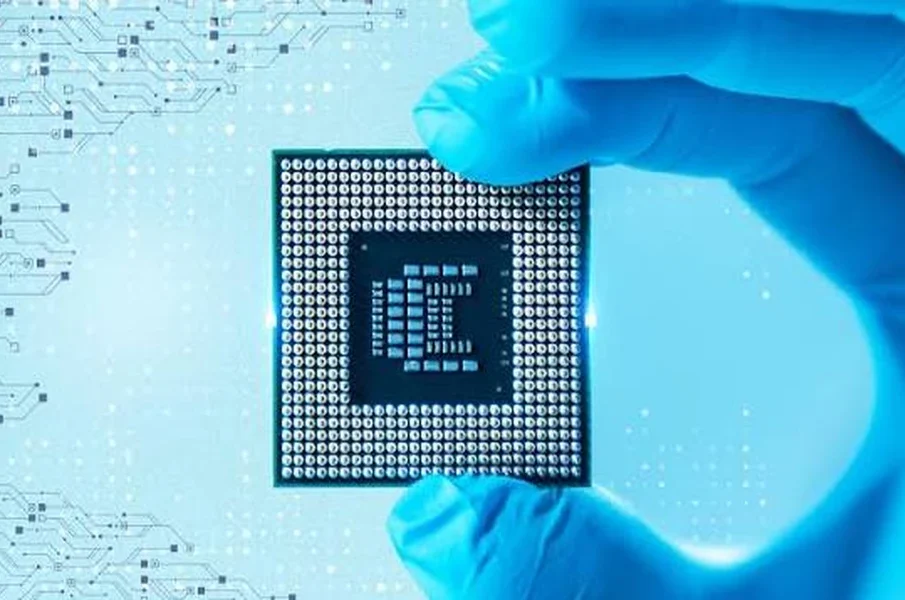
The modern economy runs on semiconductors. From smartphones and laptops to electric vehicles, cloud computing infrastructure, and artificial intelligence systems, semiconductor chips power the technologies that shape daily life and global commerce. As digital transformation continues across industries, investors are paying close attention to the companies that design, manufacture, and innovate within this critical sector.
What makes semiconductors particularly attractive is their position at the centre of multiple long-term growth trends. While many industries experience cyclical demand, semiconductors benefit from their widespread use across numerous markets. This broad relevance has helped the sector remain a major focus for institutional and retail investors seeking exposure to technological advancement and economic growth.
The Foundation of the Digital Economy
Semiconductors are often described as the building blocks of modern technology. Every connected device relies on chips to process information, manage data, and perform essential functions. As businesses and consumers increasingly depend on digital solutions, demand for advanced semiconductor technologies continues to expand.
The rise of cloud computing has significantly increased the need for powerful processors and data centre infrastructure. Companies operating large-scale cloud platforms require increasingly sophisticated chips to support growing workloads, cybersecurity requirements, and data storage needs. This demand has created substantial opportunities throughout the semiconductor supply chain.
Artificial intelligence has further accelerated interest in the sector. AI applications require enormous computing power, and advanced semiconductor designs are essential for training and deploying machine learning models. As organisations invest in AI capabilities, semiconductor manufacturers remain at the forefront of this technological evolution.
Long-Term Growth Drivers Continue to Strengthen
Several structural trends support the long-term outlook for semiconductor companies. One of the most significant is the ongoing expansion of connected devices. The Internet of Things continues to bring smart technology into homes, workplaces, healthcare facilities, and industrial environments, creating new sources of chip demand.
The automotive industry has become another major contributor to semiconductor growth. Modern vehicles rely on hundreds or even thousands of semiconductor components to support safety systems, navigation, entertainment features, battery management, and driver assistance technologies. The transition toward electric and autonomous vehicles is expected to further increase semiconductor usage.
Digital infrastructure investments are also creating sustained opportunities. Governments and businesses worldwide are investing in faster networks, advanced manufacturing systems, and technological modernisation initiatives. These projects often depend on increasingly sophisticated semiconductor solutions, reinforcing the sector’s strategic importance.
Why Investors Pay Close Attention to Industry Leaders
Investors often focus on semiconductor companies because they can provide insight into broader technology trends. Strong demand for chips may indicate growth in areas such as artificial intelligence, consumer electronics, enterprise software, and industrial automation. As a result, semiconductor performance is frequently viewed as an important indicator of technological and economic momentum.
Many investors monitor established companies within the sector to better understand industry developments. For example, discussions surrounding Intel stock often reflect broader conversations about chip manufacturing, product innovation, competitive positioning, and future technology demand. These companies play significant roles in shaping the direction of the global semiconductor market.
Industry leadership can also create competitive advantages. Companies with strong research capabilities, advanced manufacturing expertise, and established customer relationships may be better positioned to navigate technological transitions and capitalise on emerging opportunities. Investors frequently evaluate these factors when assessing long-term growth potential.
Supply Chains and Geopolitical Importance
The semiconductor industry occupies a unique position within global supply chains. Semiconductor manufacturing requires advanced equipment, highly specialised expertise, and substantial capital investment. As a result, production is concentrated among a relatively small number of companies and regions.
Governments around the world increasingly recognise semiconductors as strategic assets. Efforts to strengthen domestic manufacturing capabilities and reduce supply chain vulnerabilities have led to significant public and private investment initiatives. These developments highlight the growing importance of semiconductor independence and resilience.
For investors, understanding geopolitical influences has become increasingly relevant. Trade policies, manufacturing incentives, and international competition can affect industry dynamics. While these factors may create short-term uncertainty, they also reinforce the critical role semiconductors play in the global economy.
Innovation Remains the Sector’s Greatest Advantage
One of the most compelling aspects of the semiconductor industry is its continuous commitment to innovation. Companies invest heavily in research and development to create faster, smaller, and more efficient chips. This relentless pursuit of technological advancement helps maintain the sector’s relevance and growth potential.
Industry experts, academic researchers, and leading technology organisations consistently emphasise the importance of semiconductor innovation in enabling future breakthroughs. Advancements in artificial intelligence, robotics, quantum computing, healthcare technology, and advanced communications all depend on increasingly capable semiconductor solutions.
This innovation cycle creates opportunities across multiple segments of the market. Chip designers, manufacturers, equipment suppliers, and specialised materials providers all contribute to the ecosystem. As new technologies emerge, demand for innovative semiconductor solutions is likely to remain strong.
Conclusion
Semiconductors have become one of the most important components of the global economy. Their role in powering digital transformation, artificial intelligence, cloud computing, advanced manufacturing, and modern transportation ensures they remain central to future technological progress.
For global investors, the sector offers exposure to some of the most influential trends shaping the modern world. While challenges and market fluctuations will continue to arise, the fundamental importance of semiconductors suggests they will remain a key focus for investors seeking long-term opportunities in an increasingly technology-driven future.