
Matching vial size to actual lab needs
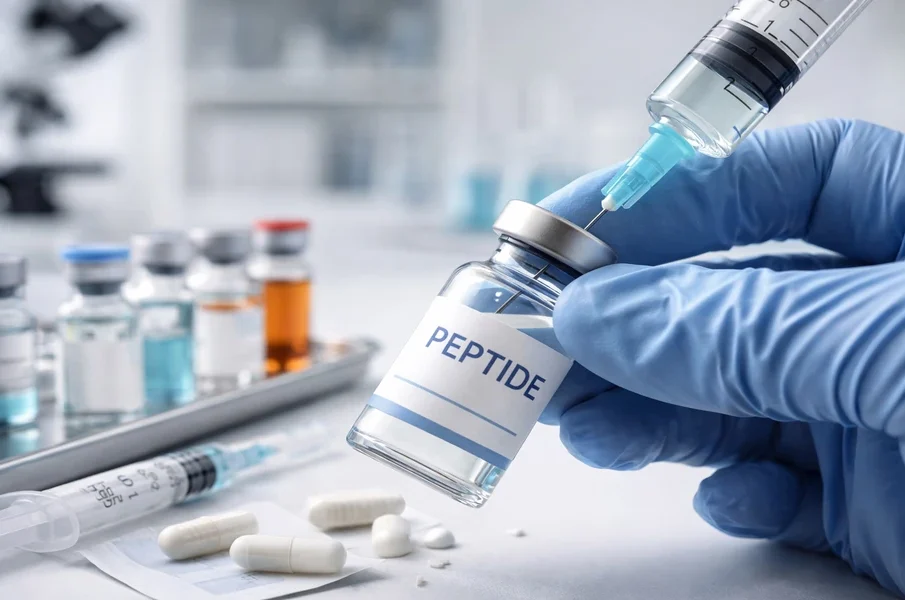
A lab once ordered the largest kit on the page because the cost per milligram looked lowest. The protocol only needed a few weeks of material. Half the vials sat unused past their practical window. The discount had turned into waste.
Anyone ready to buy retatrutide for laboratory work faces the same choice. Bulk listings draw the eye with lower unit prices. Yet the right quantity is the one that matches the planned experiment, not the biggest discount on the page.
Why protocol length should decide the size
Most research protocols run for a set number of weeks or months. A short pilot needs only a small amount. A longer study needs more.
Ordering far beyond that window leaves powder that may degrade or simply sit unused. Ordering too little forces a second purchase that may come from a different lot. Matching the vial size to the actual timeline removes both problems.
Simple size-versus-use table
The table below shows common vial sizes and the kind of work they usually fit. It is a starting guide, not a fixed rule. Each lab should adjust for its own dosing and duration.
| Vial size | Typical use | Best for |
|---|---|---|
| 5 mg | Very short tests | Initial tolerance checks |
| 10 mg | Short protocols | Pilot studies lasting a few weeks |
| 20-30 mg | Mid-length work | Standard runs of one to two months |
| 50 mg and above | Longer protocols | Extended studies or multi-group work |
The numbers are approximate. They help avoid the common mistake of choosing size by discount alone.
How bulk discounts can still mislead
Larger kits often carry lower cost per milligram. That math is real. It only helps if the material will be used while it remains reliable. Some labs now set a simple rule.
No order larger than a single mid-size vial until the first lot has been verified and logged. The rule slows the first purchase. It prevents larger losses later when unused powder has to be discarded.
A practical habit that keeps quantities clean
Write down the planned duration of the study before opening any product page. Note the expected weekly use.
Choose the smallest vial size that covers that window with a modest buffer. Then check the certificate of analysis for that exact lot. The sequence keeps the purchase tied to the experiment instead of the sales page.
What happens when the size is wrong
Too little material forces a second order that may arrive from a different batch. Results can shift without clear cause. Too much material leaves powder that sits past its practical window. Either way the study pays a hidden cost. Matching size to need removes most of that waste.
Researchers who treat the order as the first step of the experiment rather than a shopping task tend to spend less overall. They calculate the needed quantity first. They open the certificate next. They only then decide whether to buy retatrutide in that size from the chosen source. The decision rests on the protocol instead of the lowest unit price. The right vial size is the one that matches the planned experiment, not the biggest discount.