
Why Youth Wrestling Training Builds Strength And Mental Grit
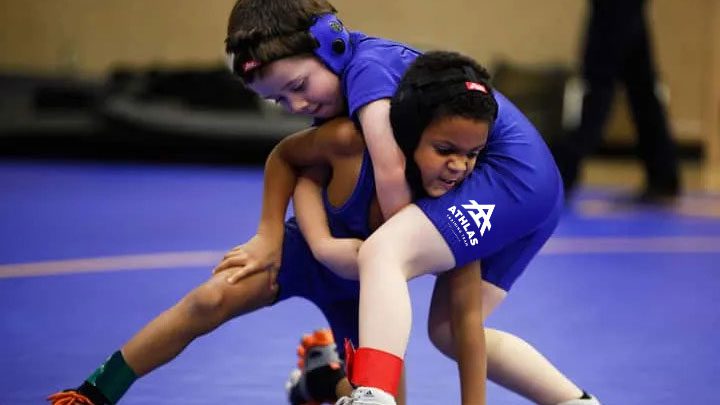
Wrestling looks intense from the outside. Two kids on a mat, pushing, pulling, trying to control position. It can seem overwhelming if you have never watched a youth class up close. That is usually when parents start researching Alamo Heights Combat Club and similar programs. They want to understand what actually happens during wrestling sessions for kids. Because it is not just about strength. It is about control. And patience. And staying steady when things get uncomfortable.
The first few sessions feel unfamiliar
Most kids are not used to close contact sports. The first class often feels awkward. They learn basic stance. How to keep balance. How to lower their center of gravity. Even standing properly takes practice. There is repetition. A lot of it.
Some children pick it up quickly. Others need more time. Neither path is wrong. The important part is consistency.
Strength develops naturally over time
Parents sometimes think wrestling will immediately make their child physically stronger.
It does build strength. But not overnight.
Early sessions focus on movement patterns. Proper positioning. Core stability. Safe falling techniques.
Strength grows as a side effect of correct movement.
When a child learns how to use leverage instead of pure force, something shifts. They stop trying to overpower everything. They start thinking.
Mental grit is built in small moments
Wrestling is uncomfortable at times. Being held down. Trying to escape. Losing position. Kids feel that pressure physically and emotionally.
But in youth programs, it is controlled. Instructors monitor closely. Breaks are built into sessions. Encouragement is constant but realistic. A child may struggle to escape a hold repeatedly. Then one day, it works.
That moment is quiet. But it stays with them.
Learning to compete without panic
Competition introduces nerves. Even practice matches can feel intense. Some kids freeze the first time. That is normal.
Over time, exposure reduces fear. They realize the environment is safe. That losing does not mean embarrassment. That winning does not make them invincible.
Training continues the next day regardless. That steady return to routine shapes perspective more than long speeches ever could.
Physical awareness improves quickly
Wrestling teaches body awareness in a very direct way.
Students learn:
- How to shift weight properly
- How to maintain balance under pressure
- How to fall without injury
- How to protect their neck and joints
These habits carry outside the mat.
Kids who train regularly often move with more confidence in other sports too. They understand their bodies better.
Why structure matters in youth programs
A structured environment keeps wrestling safe and productive. Clear warm ups. Supervised drills. Controlled live rounds. Defined rules.
In programs like Alamo Heights Combat Club, consistency plays a major role. Children know what to expect each session. That predictability reduces anxiety. And when anxiety lowers, learning increases.
Growth that parents notice gradually
The biggest changes are rarely dramatic. A child who once avoided challenges may start leaning into them. A student who got frustrated quickly may begin trying again without being told. It is subtle. But steady wrestling training builds resilience layer by layer. Not loud confidence. Not sudden transformation.
Just the kind of internal toughness that shows up when life feels uncomfortable.
And that kind of toughness lasts.